
Lines and Bodies
Ishimoto
Lines and Bodies presents Yasuhiro Ishimoto’s most significant series. His pictures combine the formal apprach of Chicago’s New Bauhaus with the quintesse of Japanese aesthetics. He brought a formalist perspective to the Japanese photographic scene of that time. Lines and Bodies allows us to rediscover the work of Ishimoto.
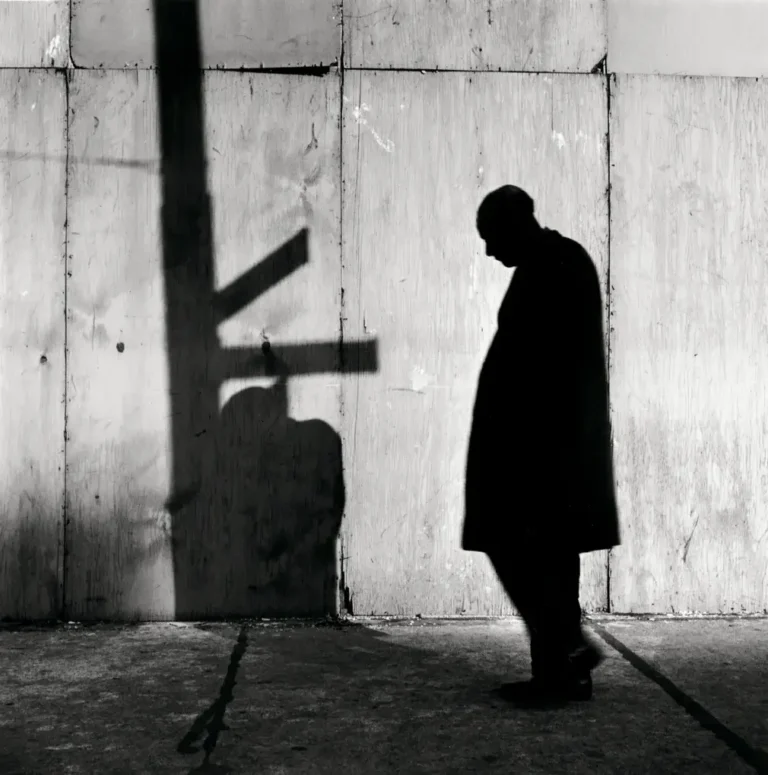
Yasuhiro Ishimoto (1921 – 2012) represented an influential link between Japanese and American photography. Ishimoto turned out to be one of the major figures in the 1950s and 60s in American and Japanese photography. He straddled East and West in his life and work, and exported Western concepts of form and plasticity into Japanese photography. Yet his work is not widely known. Outside, and even in Japan, his work is still uderrated.
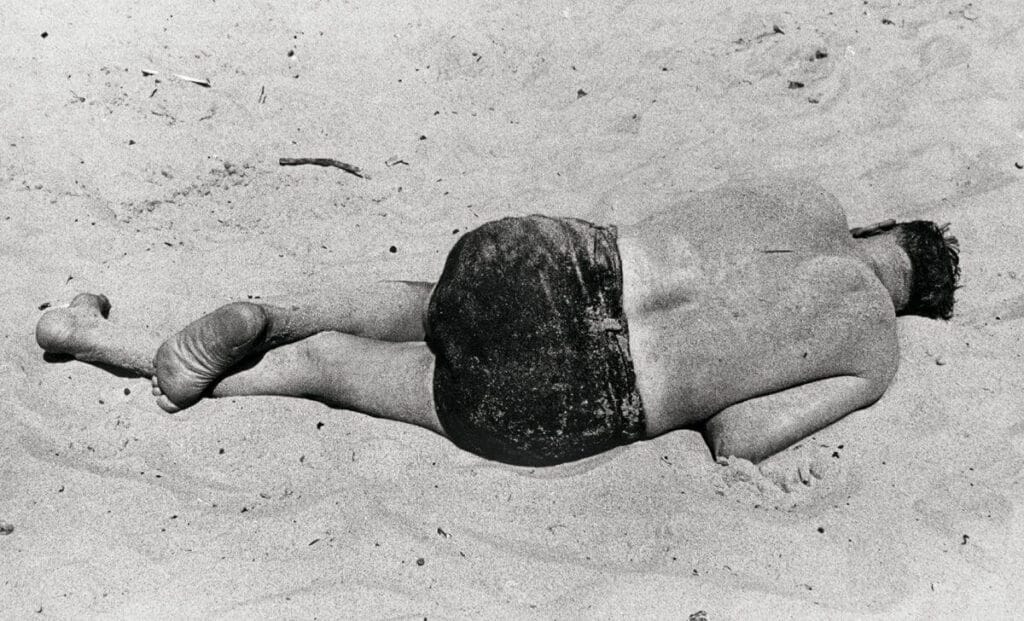
Born in San Francisco in 1921, Ishimoto returned at the age of three to Japan. Raised on the island of Shikoku, where he, normally, would have taken over the family farm. In 1939 Ishimoto went back to California to study agriculture, but also to avoid being drafted into the Japanese army. After the attack of Pearl Harbor, he was interned, like thousands of America-born Japanese, in Camp Amache in Colorado. There he discovered photography.
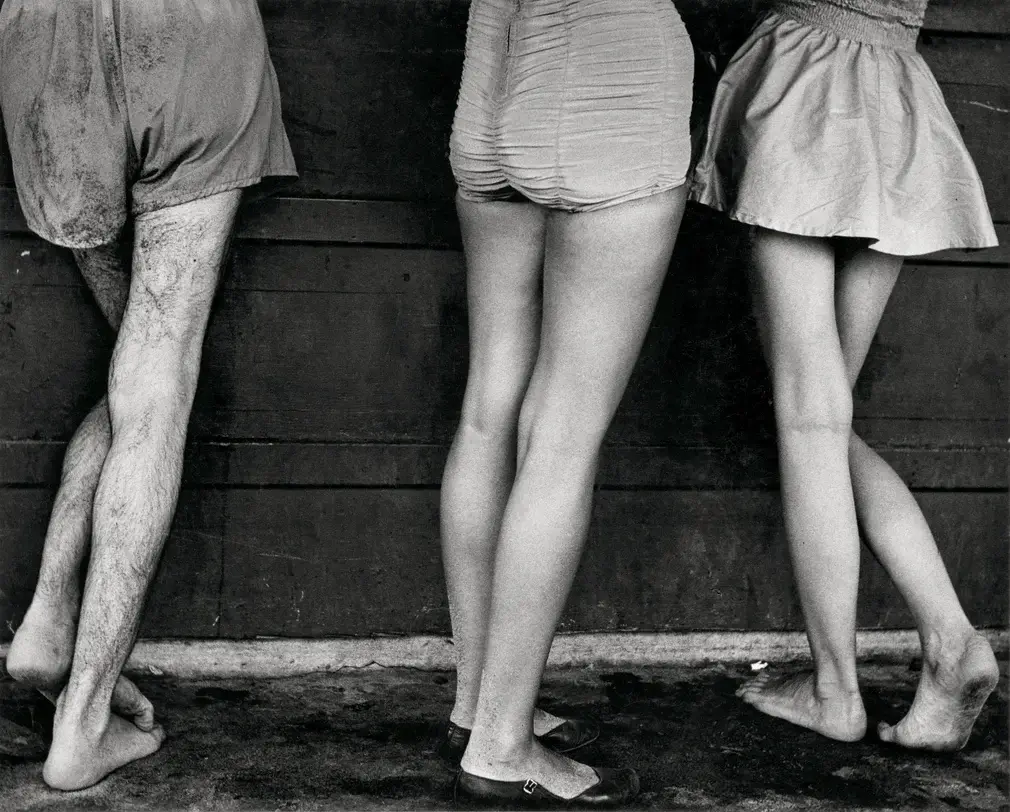
After his release he moved to Chicago. For a short while he studied architecture, which would hold an important place in his photographic practice. He joined the Institute of Design in Chicago under László Moholy-Nagy, otherwise also known as the New Bauhaus. At the Institute he found his mentor in Harry Callahan, director of the photography department. In 1953, after graduating, he returned to Japan.
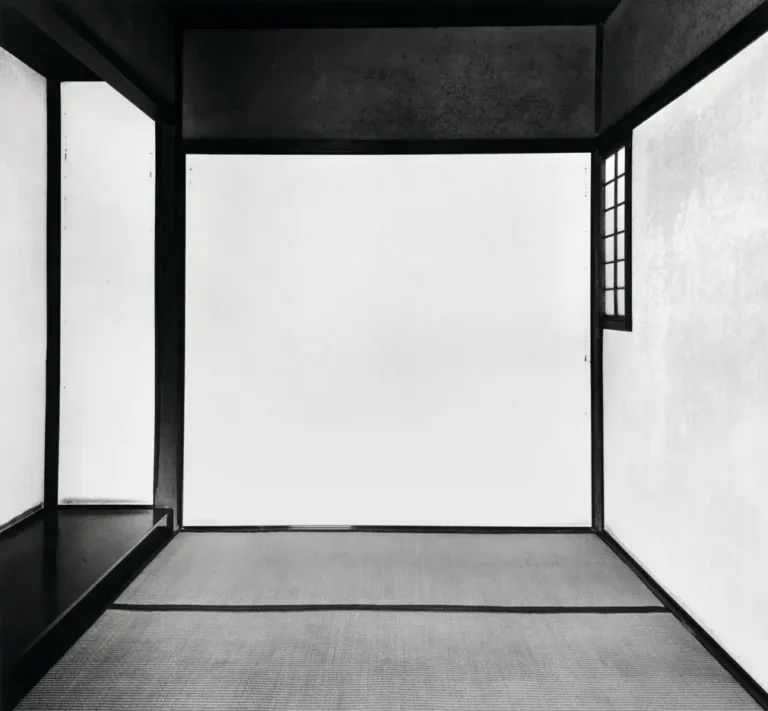
Contrasts between light and shade, black and white, blur and sharpness structures his photographs. In his pictures one can see the geometric apprehension of space.
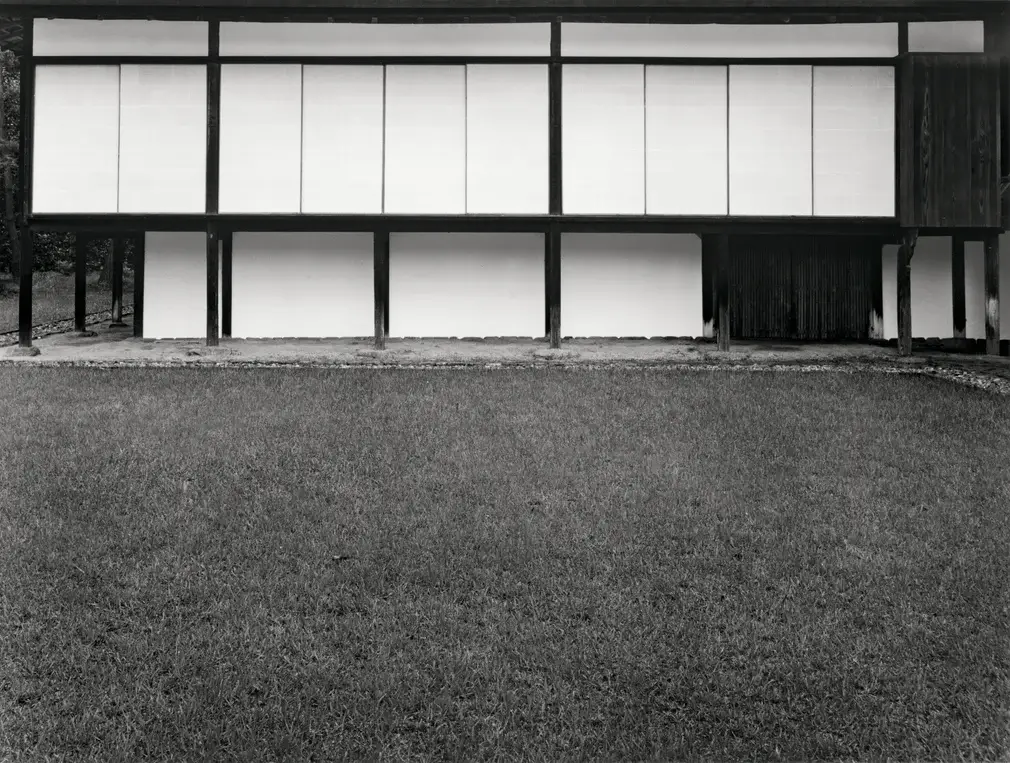
When Ishimoto returned to Japan he visited The Katsura Imperial Villa in Kyoto. Photographs from the visit were later reproduced in his second publication in 1960: Katsura: Tradition and Creation in Japanese Architecture.
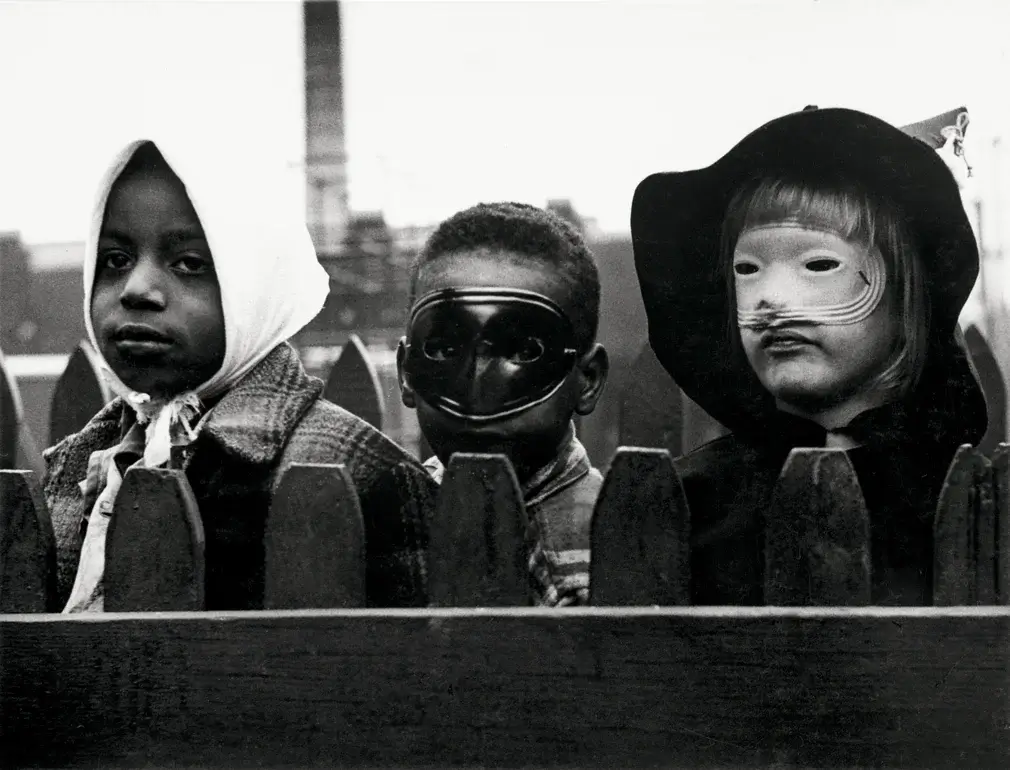
In 1958 he moved back to Chicago for three years. At the end of 1958 Ishimoto published his first photobook Aru hi aru tokoro (Someday, Somewhere). The book presented work selected from the decade between his time as a student in Chicago to his move to Tokyo. Now considered a photobook classic. Like Robert Frank in The Americans he observed American society with an uneasy eye. His own experience as an outsider led him to consider social and racial discrimination.
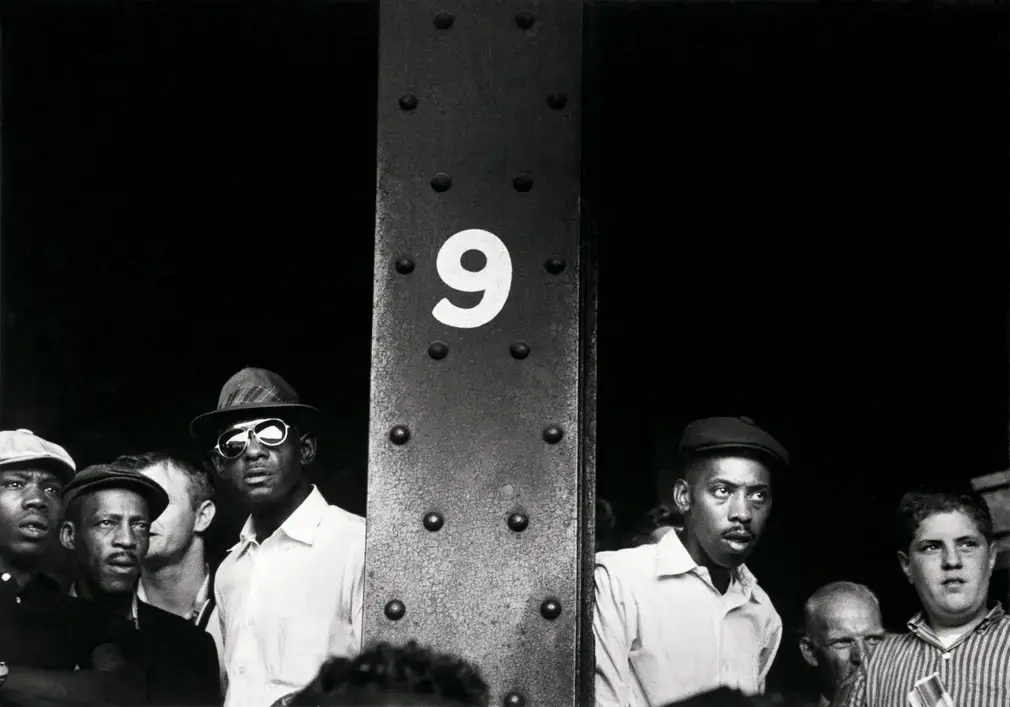
At the end of 1961 he returned to and settled in Japan. There he created the photobook Chicago, Chicago. Another classic published in 1969.
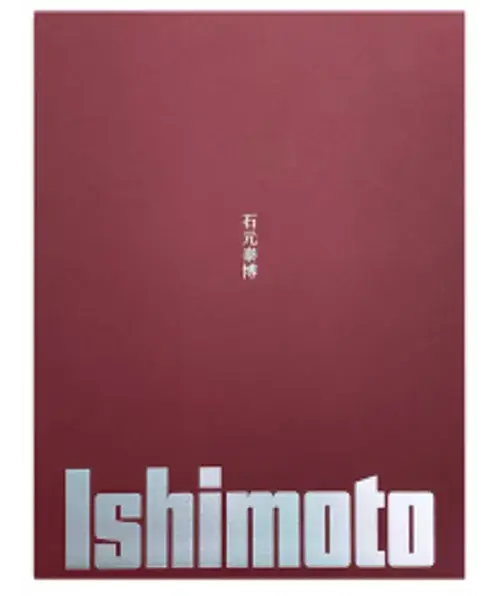
Ishimoto. Lines and Bodies
Photographer: Yasuhiro Ishimoto
Copublished by Atelier EXB & LE BAL
Published in 2024
Hardcover in a slipcase, 22 x 29 cm, 216 pages, 4 fold-outs, 163 b&w photographs
Editorial direction: Diane Dufour
Texts by Mei Asakura, Agathe Cancellieri, Diane Dufour and Yasufumi Nakamori
Shortlisted for the 2024 Paris Photo – Aperture Photography Catalog of the Year